
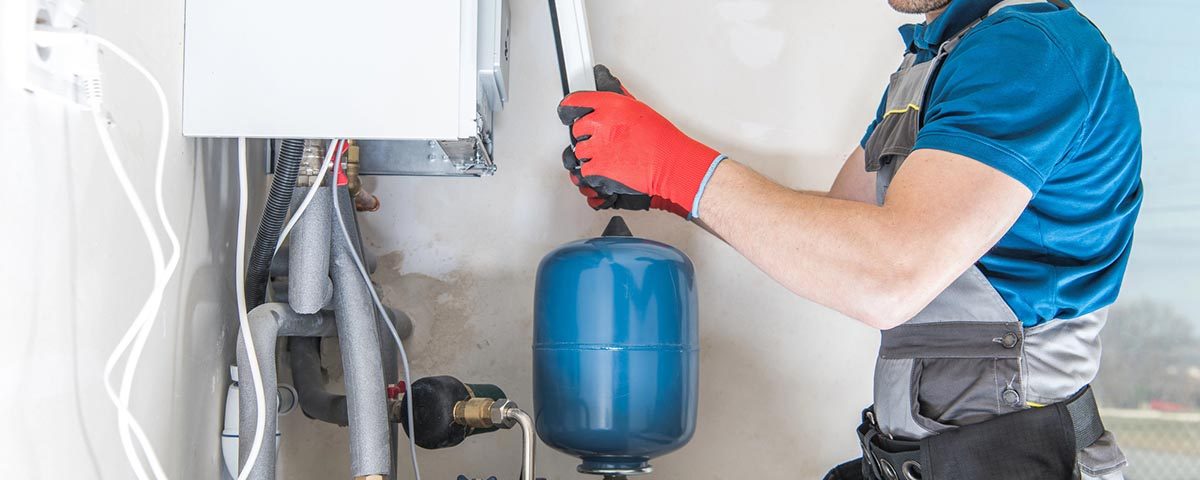
Anyone who has spent a winter in the West of Scotland knows that the weather is rarely predictable, but it is almost always cold. When the damp, chilly air rolls in off the Clyde, the one thing you rely on more than anything else is your central heating. However, for many homeowners living in traditional red sandstone tenements or even modern developments in the suburbs, an ageing boiler can become a source of constant anxiety. You find yourself turning up the thermostat only to feel a lukewarm breeze from the radiators, or worse, you hear that dreaded clunking sound coming from the cupboard in the hallway.
Deciding to invest in a boiler replacement Glasgow isn’t just about fixing a broken appliance; it is about future-proofing your home against the rising costs of energy and the inevitable breakdown of older technology. Modern systems are designed to be significantly more efficient, meaning they use less gas to produce the same amount of heat, which is a vital consideration given the current economic climate. If you have been patching up an old unit for years, you might actually find that the cost of repairs is starting to outweigh the price of a brand-new installation.
Knowing when it is time to move on from your old boiler
It can be tempting to wait until your boiler completely gives up the ghost before looking for a replacement. However, proactive replacement is often much less stressful than an emergency call-out in the middle of January. There are several clear indicators that your current system is reaching the end of its natural life. If you notice any of the following, it might be time to start looking at your options:
- Your energy bills are steadily increasing despite your usage habits staying the same.
- The boiler requires frequent repairs or replacement parts are becoming hard to find.
- There are strange noises like banging, whistling, or gurgling coming from the unit.
- You frequently experience issues with hot water consistency or radiator cold spots.
- The boiler has a low energy efficiency rating (anything below an ‘A’ rating).
Most engineers suggest that once a boiler passes the ten-to-twelve-year mark, its efficiency begins to drop off sharply. In Glasgow, where many homes still utilise older pipework and traditional radiator systems, an inefficient boiler has to work twice as hard to circulate heat, leading to faster wear and tear.
The practical benefits of modern heating systems
The jump in technology over the last decade has been remarkable. If your current boiler is fifteen years old, a new model will feel like a total revelation. Modern condensing boilers are designed to recover more heat from the exhaust flue gases and use it to heat the central heating water, making them significantly more efficient than older non-condensing models. This transition is one of the most effective ways to reduce your household’s carbon footprint while simultaneously lowering your monthly outgoings.
Improved energy efficiency and lower bills
The primary motivation for most people seeking a boiler replacement Glasgow is the potential for savings. An A-rated boiler operates at over 90% efficiency. In contrast, older G-rated models might only be operating at 60% or 70%. This means that for every pound you spend on gas, thirty to forty pence is essentially wasted. Over the course of a few years, the savings on your gas bill can go a long way towards paying back the initial investment of the installation.
Smart technology integration
Newer boilers are built to work seamlessly with smart thermostats and home automation systems. This allows you to control your heating from your smartphone, setting specific schedules for different rooms or ensuring the heat is only on when you are actually at home. For Glasgow residents who might have long commutes or irregular working hours, this level of control provides both comfort and further cost reductions.
Navigating the different types of boilers for Glasgow homes
When you start looking into a replacement, you will encounter a few different types of systems. The right choice depends heavily on the size of your property, your hot water demands, and the existing plumbing infrastructure. Glasgow has a unique mix of housing stock, from high-ceilinged Victorian villas to compact modern flats, and each requires a specific approach.
- Combination (Combi) Boilers: These are the most popular choice for smaller homes and flats. They provide heat and hot water directly from the mains without the need for a storage tank. They are space-saving and highly efficient.
- System Boilers: Best suited for homes with more than one bathroom, these require a cylinder for storing hot water but keep the heating components internalised within the boiler itself.
- Regular (Conventional) Boilers: Often found in older Glasgow properties, these involve both a hot water cylinder and a cold water tank in the loft. While they are older tech, they are sometimes the best option if the existing pipework cannot handle the high pressure of a combi system.
What to expect during the installation process
A professional installation usually takes between one and three days, depending on the complexity of the job. If you are simply swapping an old combi boiler for a new one in the same location, the process is relatively straightforward. However, if you are converting from a regular system to a combi, the engineer will need to remove old tanks and potentially upgrade some of the pipework to handle the change in pressure.
A reputable installer will start with a site survey to assess your home’s heat loss and hot water requirements. They should also perform a power flush of your radiators to remove any built-up sludge or debris. This ensures that your brand-new boiler isn’t immediately contaminated by dirty water from the old system, which could void your warranty and reduce efficiency from day one.
Why choosing a local specialist matters
While there are national companies that offer heating services, there is a distinct advantage to working with a local firm that understands the specific challenges of the local area. Whether it is dealing with the specific water pressure issues in certain parts of the city or understanding the structural quirks of a traditional tenement, local knowledge is invaluable. If you are currently weighing up your options, getting a professional boiler replacement glasgow is often the most cost-effective way to ensure your home remains a sanctuary against the Scottish elements.
Furthermore, local installers often provide a more personalised aftercare service. Knowing that your engineer is only a short drive away should you have any questions about your new controls or need an annual service provides peace of mind that a national call centre simply cannot match. Always ensure that any engineer working on your gas appliances is Gas Safe registered, as this is a legal requirement and your primary guarantee of safety and quality workmanship.
Maintaining your new system for the long haul
Once your new boiler is installed, the goal is to keep it running at peak performance for as long as possible. Most manufacturers offer extensive warranties, sometimes up to ten or twelve years, but these are almost always conditional on having the boiler serviced annually by a qualified professional. An annual service involves checking all internal components, cleaning the heat exchanger, and ensuring there are no leaks or safety issues. It is a small price to pay to protect a significant investment and ensure that when the next big freeze hits the city, your home stays warm and comfortable without any nasty surprises.

Olivia Bennett is a news and lifestyle writer who specializes in consumer advice, entertainment updates, and travel insights. Her articles offer clear, concise information to help readers make informed decisions.